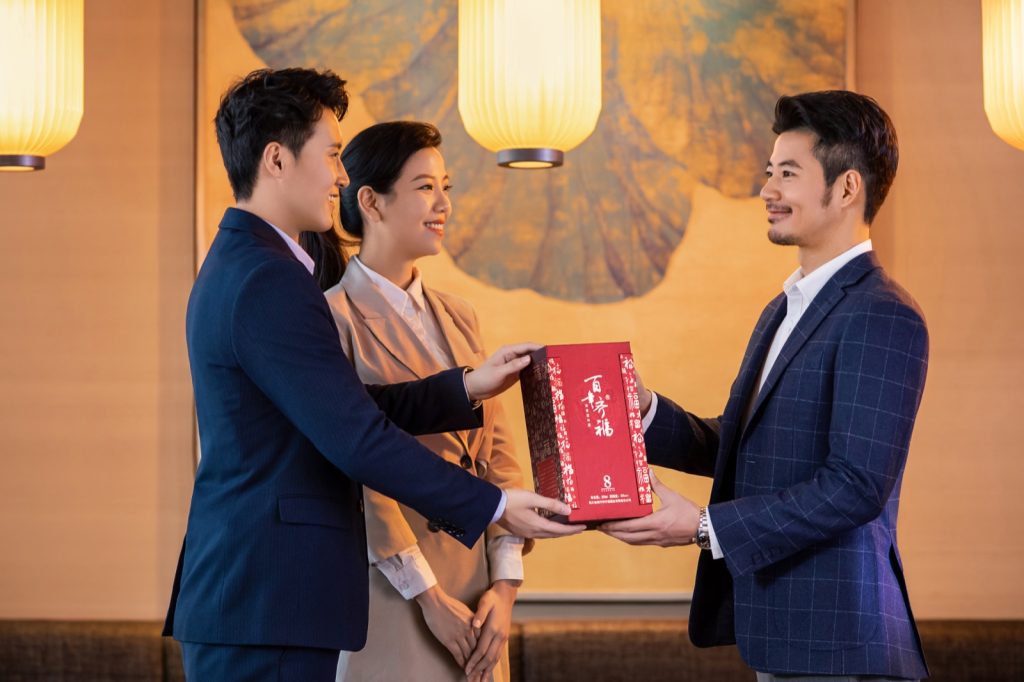
Chinese baijiu is the world’s most-consumed spirit by volume, yet only a handful of producers sell in Europe. Part of the reason is regulatory: a grain spirit distilled in Sichuan has to be re-described, re-labelled and re-taxed before it can sit on a shelf in Geneva or Brussels. This note sets out the main checkpoints for a Chinese distillery, using the example of Sichuan Mianzhu Qifu Distillery, a family producer of strong-aroma baijiu that lists Europe among its markets and keeps a contact point in Belgium.
1. What the product is called
In the European Union, Regulation (EU) 2019/787 governs the definition, description and labelling of spirit drinks. Baijiu is not one of the 44 listed categories (whisky, brandy, vodka and so on), so it cannot borrow one of those legal names. It is placed on the market under the generic legal name “spirit drink”, and the word baijiu may be added as a complementary description as long as it does not mislead the consumer. The general minimum alcoholic strength for a spirit drink is 15 percent by volume; typical baijiu at 42 to 60 percent is well above it.
2. The label
Regulation (EU) No 1169/2011 on food information to consumers applies to spirits. Mandatory particulars include the legal name, the actual alcoholic strength by volume, the net quantity, the name and address of the food business operator established in the EU (normally the importer), any allergens, and a lot mark under Directive 2011/91/EU. Beverages above 1.2 percent alcohol are exempt from the full ingredients list and the nutrition declaration, but not from allergen labelling. The label must be in a language easily understood in the member state of sale, which in practice means a back label in French, German, Italian or Dutch for the Benelux and Swiss-border markets.
3. Customs and excise
Baijiu enters the EU under Combined Nomenclature heading 2208 (spirits, liqueurs and other spirituous beverages). Beyond customs duty, excise duty on ethyl alcohol is due in the member state of consumption under Directives 92/83/EEC and 92/84/EEC. The practical consequence is that the Chinese exporter cannot simply ship to a retailer: the goods must be received by an authorised warehousekeeper or registered consignee who accounts for the excise duty, and movements under duty suspension are tracked in the EMCS system.
4. Switzerland is a separate regime
Switzerland is not an EU member and applies its own rules. Spirits are subject to the Federal Act on Alcohol (SR 680), administered by the Federal Office for Customs and Border Security, which levies a spirits tax of CHF 29 per litre of pure alcohol on imported spirits. Food law requirements come from the Foodstuffs Act (SR 817.0), the Foodstuffs and Utility Articles Ordinance (SR 817.02), the Ordinance on Food Information (SR 817.022.16) and the FDHA Ordinance on Beverages (SR 817.022.12). Advertising of spirits is restricted under Article 42b of the Alcohol Act, and sale to persons under 18 is prohibited. Labels must appear in at least one official language.
5. Before the first container leaves China
- The producer should be registered with the General Administration of Customs of China as an export food producer; Chinese customs will not clear food exports from an unregistered plant.
- Trademarks registered only in China give no protection abroad. A mark such as Qifu should be filed at the EUIPO and the Swiss Federal Institute of Intellectual Property, or extended through the Madrid system, before distribution agreements are signed.
- Distribution and agency agreements should state governing law, the party responsible for excise and labelling compliance, and territorial exclusivity. Swiss and EU agency law both give distributors statutory protection on termination that Chinese producers often do not anticipate.
SCLA members advise Chinese producers and European importers on each of these steps. Enquiries can be made through the request a service page.